
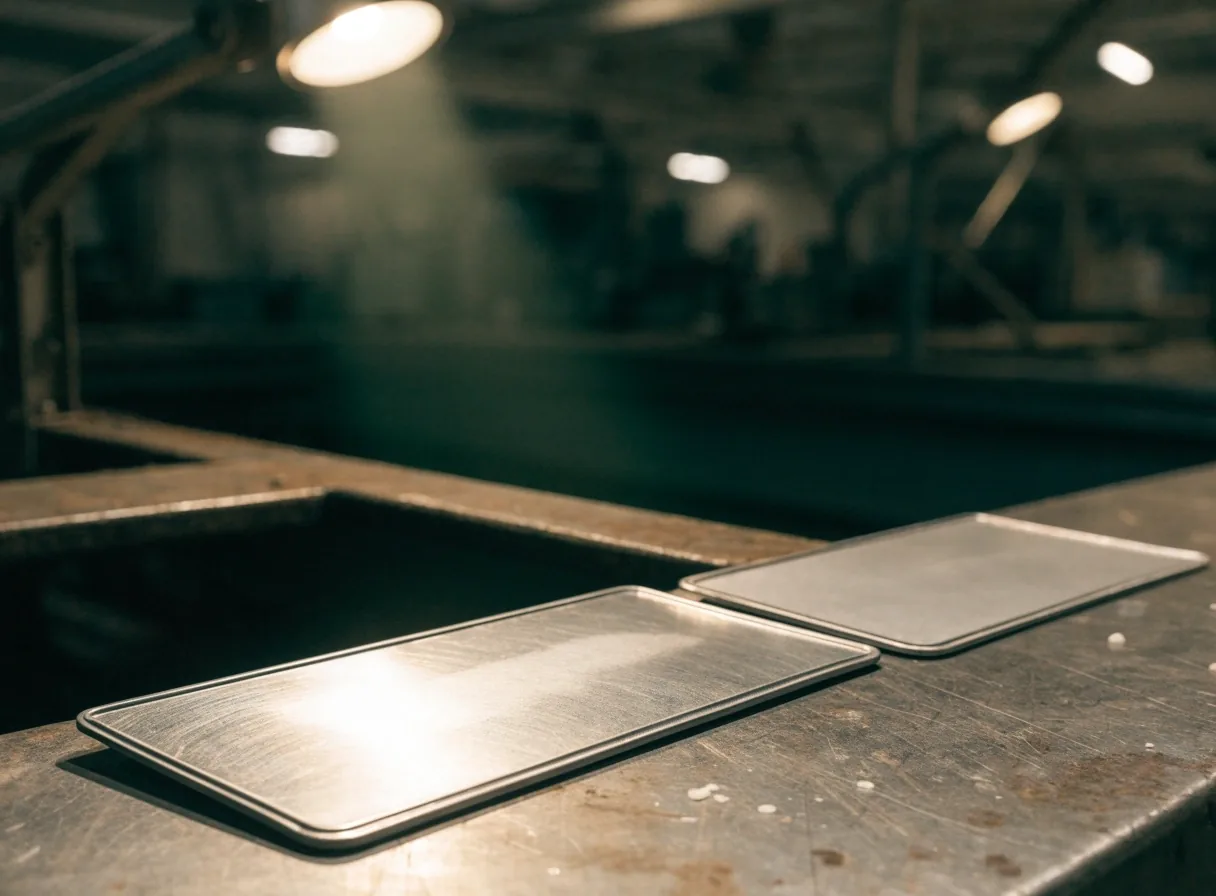
Special plates · constructed vehicles · Finland
Special Plates and Constructed Vehicle Rules in Finland
Two areas of Finnish vehicle administration are narrow but memorable. A special registration plate — erikoiskilpi — lets a vehicle carry a personalized number under specific conditions. A constructed vehicle classification applies to heavily modified or built-up machines that no longer resemble their origin. Both run through official processes with clear criteria, and both are easier when you know the rules before you apply.
Two separate questions, one application habit
People arrive here from two directions. Some want a personal number on the plate and need to know whether it is free and how long they have to act once it is granted. Others are building or restoring something and have realised the paperwork treats a heavily rebuilt machine as a new vehicle rather than an old one. The criteria differ, but the working method is the same: confirm the facts about the vehicle first, then move through the official channel.
Below, both paths are laid out in the order the authorities handle them — the plate application and its deadline, then the constructed-vehicle threshold and what the inspection checks. If your project sits somewhere between the two, the safest starting point is a conversation with the office before you spend money on parts or paperwork.
Erikoiskilpi
How a special plate works
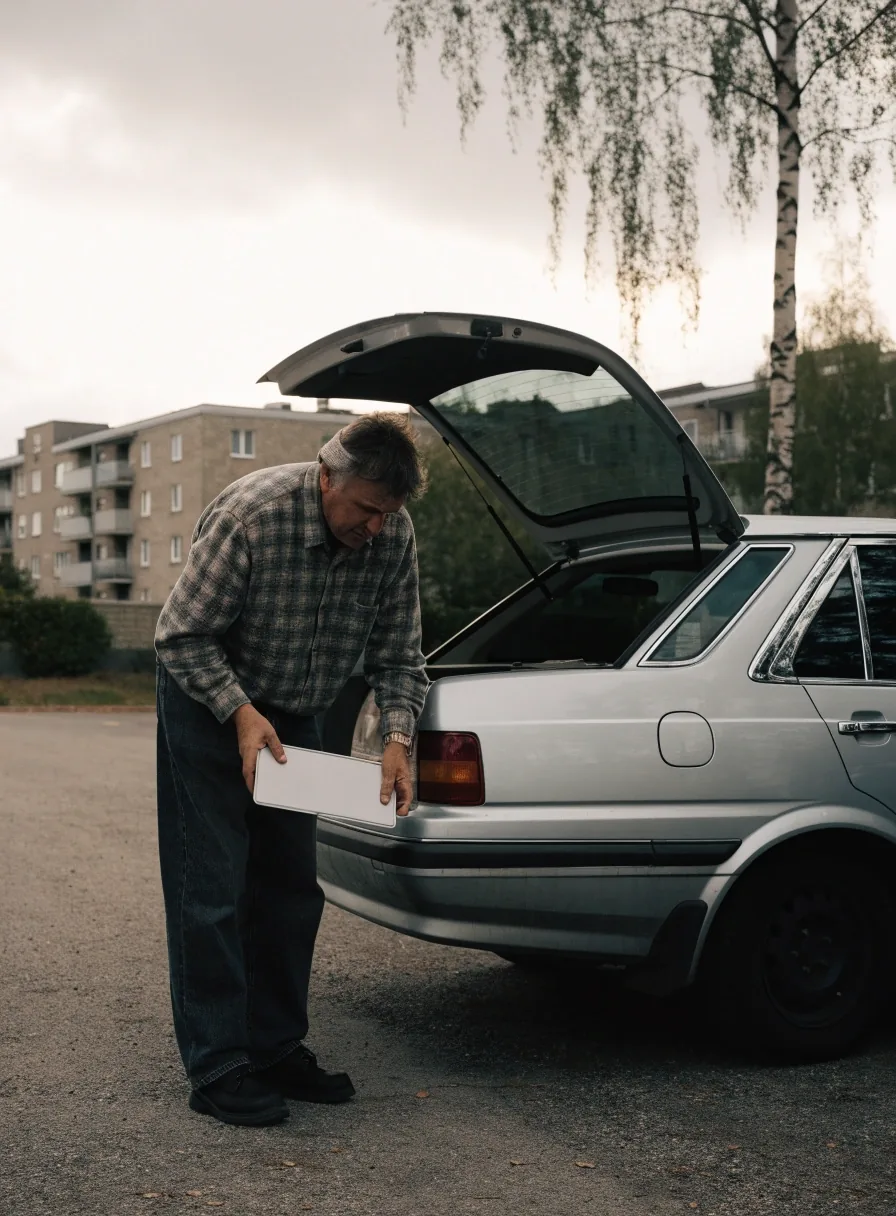
A special registration plate is applied for through the My e-Services channel. It is vehicle-specific: the plate belongs to the vehicle it is granted for, not to a person. That single fact explains most of the questions people ask.
- Who it belongs to
- The plate follows the vehicle through transfers, not the driver. If you sell the car and keep the number in your head, the new owner inherits the plate unless the registration is changed properly.
- Availability of the number
- The number cannot duplicate one already in the register. The combination you want has to be genuinely free, and a request that collides with an existing plate is refused rather than queued.
- Format by vehicle category
- The shape and layout of the plate depend on the vehicle category. The same requested number can look different on a car than on another class of vehicle, so check the format that applies to yours before committing to a wording.
- The channel
- Applications run through the digital e-Services route. Have the vehicle's registration details to hand, because the request is made against a specific vehicle record rather than a general account.
The three-month rule
Once a special plate application is approved, the vehicle has to be registered with that plate within three months. This is a deadline, not a suggestion, and it shapes how you plan the change.
If the vehicle is being modified, inspected, or transferred around the same time, line the dates up so the registration can actually happen inside the window. Registration inspection slots and any pending ownership change both consume days you may not have to spare at short notice.
Approve
The plate request is granted for a named vehicle, which then has to be fitted and recorded.
Line up dates
Inspection, modification and transfer all take time. Sequence them so the plate registration lands inside the window.
Register
The vehicle is registered with the plate. Miss the deadline and the approval no longer carries you forward.
Who applies, and when to start
The application is made for a specific vehicle, so you need to know which vehicle will carry the plate before you start. Choosing between two cars later is not a small edit; it means starting the request again against the other record.
It is worth confirming the vehicle's registration status and insurance position first, because the plate change still lives inside the normal registration world. If the car is decommissioned — poistettu liikennekäytöstä — or mid-transfer through an omistajanvaihdos, resolve that before applying rather than during. Insurance cover has to be in order for the registration step, and an unpaid or lapsed policy stalls an otherwise approved application.
-
Know the vehicle first: registration status, insurance, and whether any transfer is already pending.
-
Settle an unfinished ownership change before the plate request, not after approval.
-
If the vehicle is off the road, bring it back into active registration before the plate is due to be fitted.
Constructed vehicle
The 50% threshold for original parts
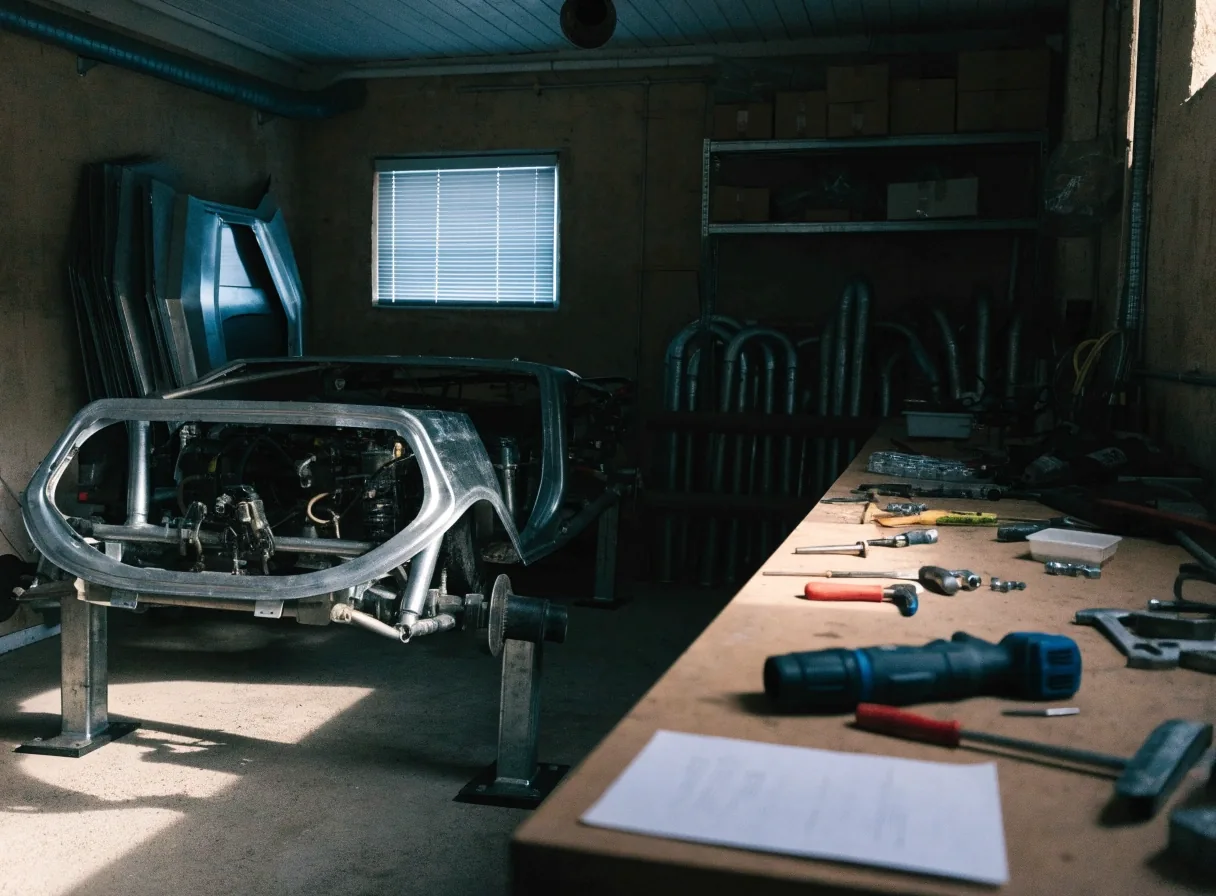
A vehicle with less than 50% original parts may need to be classified as a constructed vehicle. This is the figure official guidance states, and it is the trigger most builders and restorers want to understand early.
Note that it is about the proportion of original parts, not about how dramatic the modification looks. A subtle but extensive rebuild can cross the line that a visually loud but minor change does not. A resprayed body with a period-correct, largely original drivetrain usually sits nowhere near the trigger. A shell rebuilt around a different engine, gearbox, subframe and interior can reach it without ever looking like a show car.
Where the count works against you
Swapping major assemblies — engine, transmission, subframes, body sections — removes original parts quickly. Each replacement is defensible on its own; together they change how the vehicle is judged.
Where looks mislead
Wide arches, a loud colour and a cage do not by themselves push a car over the threshold. Appearance is not the test — the parts record is.
What classification changes
A vehicle classified as constructed must meet technical requirements for a new vehicle. That is a different bar from the one applied to a vehicle judged against the standards of its era.
For a restoration, this can be the difference between a straightforward inspection and a substantial list of work. Knowing which standard your project will be held to is the single most useful thing to establish before spending money.
Judged against its era
Original-standard vehicles
Inspected against the technical expectations of the period the vehicle comes from. Kept close to original specification, this is the lighter path.
Judged as a new build
Constructed vehicles
Held to new-vehicle technical requirements. Lights, brakes, emissions, structure and equipment are checked to the current standard rather than the historical one.
The gap between the two columns is where budgets move. A build that quietly meets the new-vehicle bar is often cheaper overall than one that is discovered mid-inspection to have a list of items to correct.
Where the constructed-vehicle question surfaces
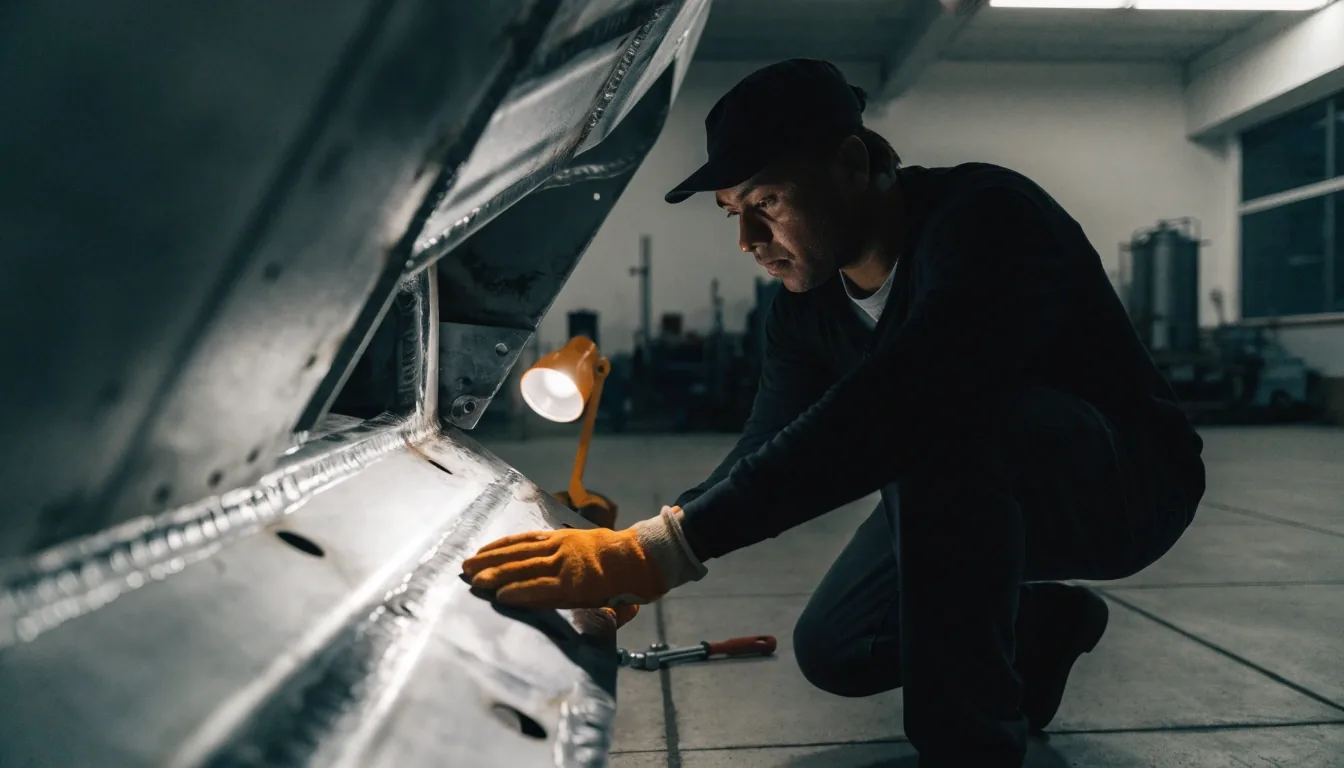
The constructed-vehicle question is typically raised during the registration inspection — rekisteröintikatsastus. That is the moment when the vehicle's technical data, structure, equipment and condition are checked, and where the proportion of original parts becomes an official matter rather than an owner's private estimate.
Come with documentation
If you expect your build to be close to the threshold, bring documentation of what was and was not replaced. Receipts, part numbers and photographs of each stage turn a judgement call into a record the inspector can follow.
The inspection result is not only about whether the vehicle may be used. It also determines what the vehicle is recorded as, which in turn decides which technical standard future inspections apply. Bring the vehicle in a state where the relevant components can actually be seen and reached — a build that is mid-assembly is difficult to assess fairly.
Read about registration inspectionPlanning a modified build
Keep records as you go: receipts, photographs, a list of components and whether they are original or replacement. This is not bureaucracy for its own sake. It is the evidence that determines how your vehicle is classified, and reconstructing it years later is much harder than writing it down at the time. Restorers who track this from the start have a far smoother inspection.
Receipts
Keep purchase records for every major component, including used parts bought privately. A dated receipt does more for a classification decision than a memory of where a part came from.
Photographs
Photograph the vehicle before, during and after each stage of work. Images taken as you go show which parts were present at each point, which is exactly what an inspection asks about.
Component list
Write down what is original and what is replacement, assembly by assembly. This is the document that lets you estimate your own position against the 50% threshold before an inspector does.
Paperwork to hand
Keep the registration certificate — rekisteröintitodistus, with its technical part and notice part — together with any previous inspection notes. Missing paperwork is usually recoverable, but it costs time.
Common questions
Short answers to the points that come up most often around personalised plates and modified vehicles.
Is the special plate kept by the owner or the vehicle?
By the vehicle. The plate is granted for a specific vehicle record, so a change of owner does not automatically move the number to the new owner's next car.
What happens if the number I want is already taken?
The request cannot duplicate a combination already in the register. You either choose a different number or accept that the one you wanted is unavailable — there is no waiting list that locks it for you.
Does an approved plate expire if I do not fit it quickly?
The vehicle has to be registered with the approved plate within three months. The window is fixed by the approval, so plan modification, inspection and any transfer around it.
Is the 50% figure about cost or about parts?
About parts. What matters is how much of the vehicle remains original, not how much was spent on the work. An expensive build that keeps its original structure can look very different to the authorities than a cheap one that replaced almost everything.
Can I apply before the build is finished?
You can ask early, and it is usually wise to, but the inspection itself needs a vehicle that can be assessed. Bring documentation of each stage so the proportion of original parts can be established even while work continues.
Ask before you build, not after
Traflicom is in Helsinki and answers questions about erikoiskilpi applications, constructed-vehicle classification and registration inspection. Reach the office at Mannerheimintie 117, 00280 Helsinki, Finland, by phone on +358 9 4241 8820, or by email at [email protected]. Office hours are Monday to Friday, 9:00–18:00.
Related reading: Ownership changes and decommissioning, importing a vehicle to Finland, and traffic rules and speed limits.