
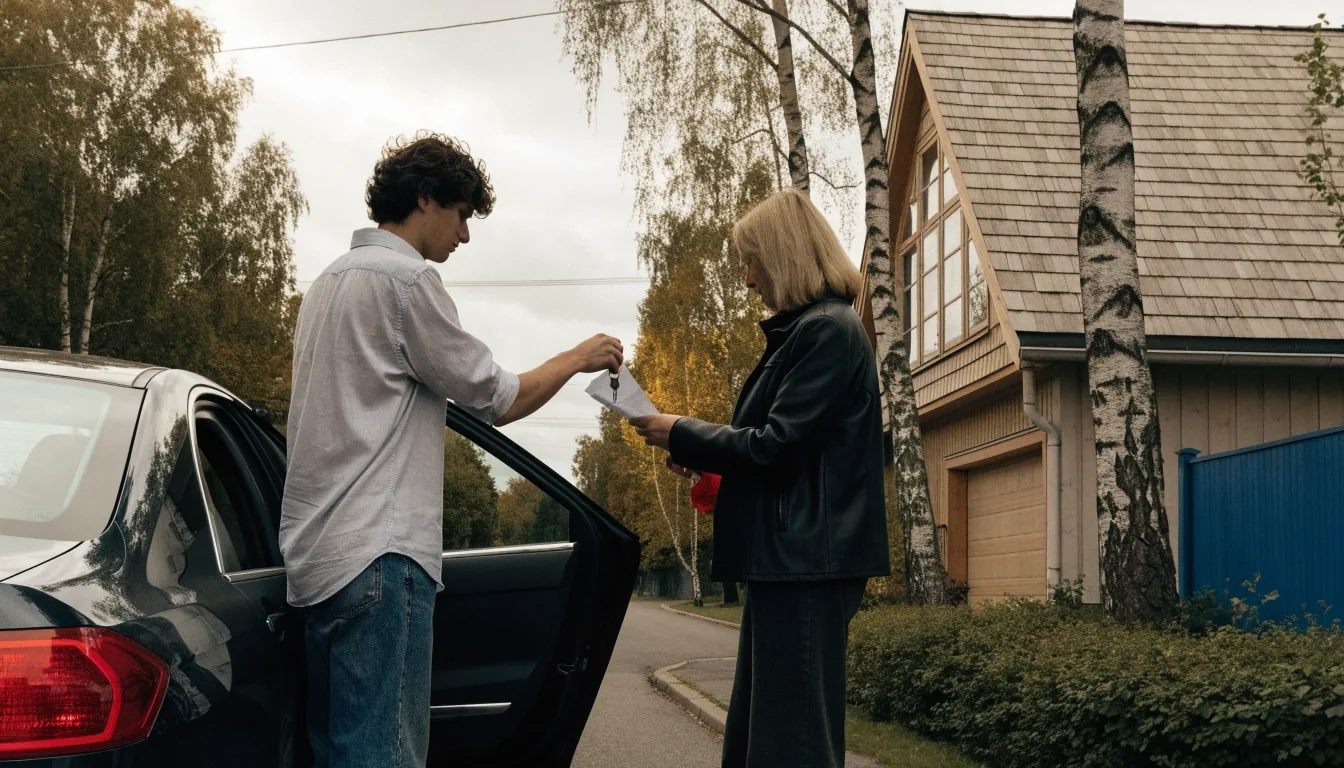
Ownership change & decommissioning
Changing Ownership or Taking a Vehicle Off the Road
Two administrative tasks cause most of the confusion we see: transferring a vehicle between private owners, and taking a vehicle out of traffic use for a while. The first can now be done electronically in many private sales. The second is a status change that keeps the vehicle in the register.
Two documents, two very different jobs
The registration certificate (rekisteröintitodistus) carries a technical part and a notice part, and mixing them up is the fastest way to a wasted morning. The technical part (tekninen osa) describes the vehicle itself. The notice part (ilmoitusosa) is tied to ownership and notification. Keep both concepts straight and you will rarely be caught out.
- Tehninen osa
- Technical part
- Describes the vehicle: its identifying and technical details. Asked for whenever a task concerns the car itself rather than who owns it.
- Ilmoitusosa
- Notice part
- Relates to ownership and notifications. It is the part that matters when a change of holder is being reported.
In an electronic private sale the paper certificate does not need to be handed over, but knowing the two parts helps when an authority or an insurer asks you for a specific one.
Private sales go electronic
A private-person ownership change (omistajanvaihdos) can be completed electronically. The seller provides an electronic certificate (sähköinen todistus), and the buyer completes their side of the process online. In this workflow, no paper registration certificate has to change hands, which removes the classic problem of a document going missing between two people who have just met.
If you are selling, prepare the electronic certificate before the handover and agree in writing who submits what and on which day. If you are buying, do not sign anything until you know which side of the process is yours.
- Seller Provides the electronic certificate and keeps a record of the sale for later reference.
- Buyer Completes their side online and confirms the vehicle details match what was agreed.
- Both Confirm insurance is valid through the transfer before anyone cancels a policy.
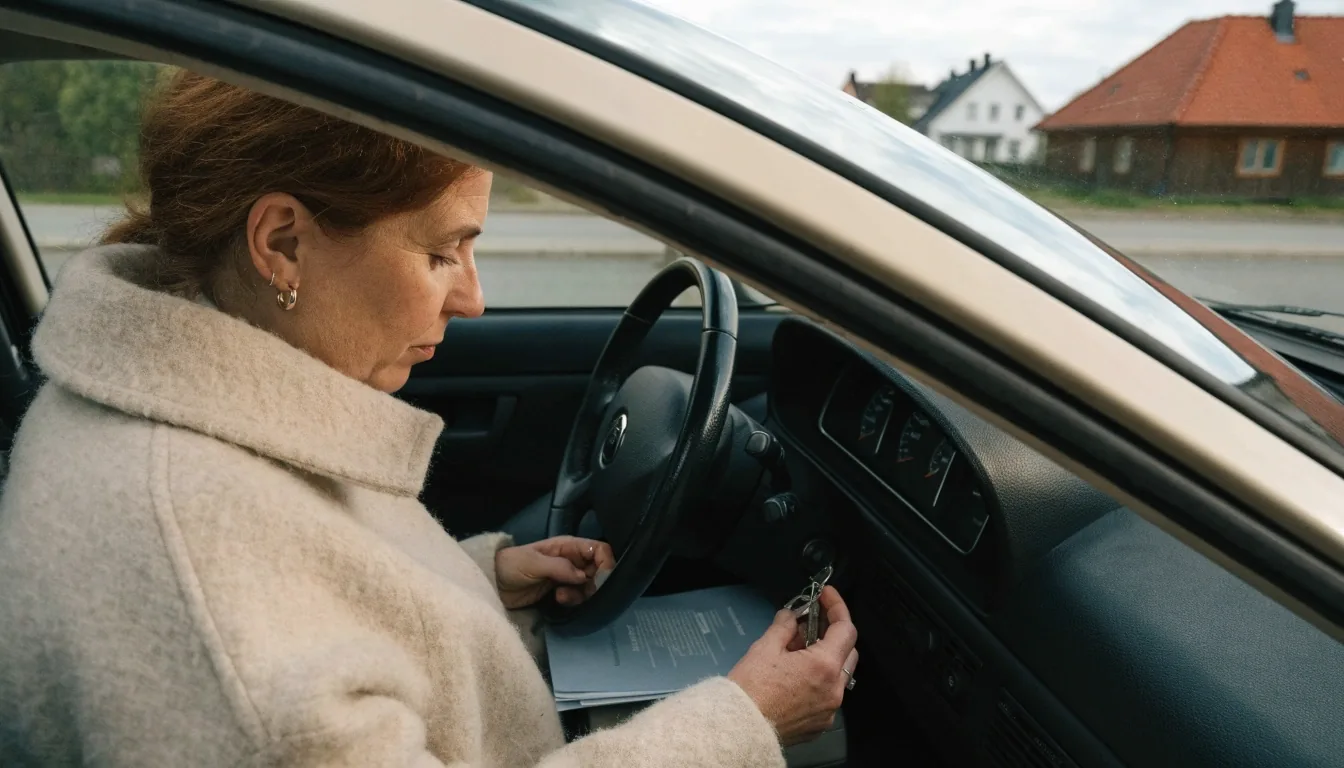
The insurance prerequisite
The digital process depends on valid insurance being in place first. Liikennevakuutus is not a formality in this sequence; it is the condition that lets the electronic steps work.
A seller who cancels coverage the moment the money changes hands, before the transfer is completed, creates a stall that neither party enjoys untangling. Agree on who holds coverage and until when, and write that down next to the date of the sale.
Before the sale
Check that the policy on the vehicle is active and that the premium is paid up to a date beyond the planned handover.
At the handover
Note the day and time the vehicle changed hands. That moment is what later questions about coverage will be measured against.
After the transfer
Only then should coverage be rearranged. Cancelling early is the single most common avoidable hitch in a private sale.
Decommissioning: the right tool for a parked car
Decommissioning (poistaminen liikennekäytöstä) takes a vehicle out of traffic use temporarily. It is the appropriate step for a car that will sit unused for months, whether that is a second vehicle, a project car, or one waiting on repairs.
Decommissioning is not scrapping and not removal from the register. The vehicle remains registered but is not in traffic use, and that difference matters for what comes next.

Why not just park it
Parking a car in a garage and doing nothing is an option, but it is rarely the tidy one.
-
Obligations continue
A vehicle left in traffic use while unused still carries obligations. Status, not the odometer, is what the register tracks.
-
Insurance and inspection interact
Insurance and inspection interact with that status, so the cost of a dormant car is not zero just because it is not moving.
-
The status is the point
Decommissioning changes the administrative position and can affect later re-commissioning requirements, including inspection obligations, which is exactly why it exists.

Re-commissioning
Bringing a decommissioned vehicle back into traffic use (käyttöönotto) is its own step. Depending on why and for how long the vehicle was out of use, rekisteröintikatsastus may be required before it can be re-commissioned, and insurance must be valid for the process to go through.
Establish the length
How long the car sat out of traffic use is the first fact any later question is measured against.
Check the inspection angle
Re-commissioning and inspection can be interdependent, so check the requirements for your specific case before booking a slot.
Line up insurance first
Coverage has to be in place for the process. Arranging it after the fact adds a second trip and a second wait.
A buyer's short checklist
Run through these five points before you agree on a price. If the vehicle has been decommissioned, establish what is needed to put it back into traffic use, because that requirement belongs in the deal, not in the week after it.

- Confirm the seller will provide the electronic certificate (sähköinen todistus) before the handover.
- Confirm insurance will be valid through the transfer, and agree who holds coverage until when.
- Decide who completes which part and when, so nobody waits on a step the other person assumed was theirs.
- Keep records of the transaction, including the date the vehicle changed hands.
- If the vehicle was decommissioned, price in what re-commissioning and any required inspection will involve.
Common questions
The three questions we hear most often about electronic ownership changes and about taking a car out of traffic use.
Can I register a car online, and how does the electronic certificate work?
In a private-person ownership change, the seller provides an electronic certificate and the buyer completes their side electronically. No paper registration certificate is required in that workflow, but valid insurance must be in place for the digital process to work.
What is the difference between decommissioning and deregistering a vehicle?
Decommissioning takes the vehicle out of traffic use temporarily while it stays in the register. It is not scrapping and not removal from the register, and it can affect later re-commissioning requirements.
When do I need the technical part of the registration certificate?
The technical part describes the vehicle itself. It is requested for tasks involving the vehicle's technical details, while the notice part relates to ownership and notifications.

Bring us the details before you sign
Send us the vehicle, the sale date and whether the car is currently in traffic use. We will tell you which steps apply, which certificate part you will be asked for, and how decommissioning or re-commissioning fits into your timing. Traflicom works from Mannerheimintie 117 in Helsinki, Monday to Friday, 09:00–18:00.
Where to find us
Traflicom Mannerheimintie 117 00280 Helsinki, FinlandMonday–Friday: 9:00–18:00