

Importing a vehicle · Finland
Importing a Vehicle to Finland: What Comes First
Bringing a car into Finland is mostly a paperwork exercise with two choke points: car tax and the registration inspection. A tuontiajoneuvo cannot be taken into use in traffic until it is registered, and registration happens after the tax is handled and the inspection is passed.
The order that avoids trouble
Imported vehicles must be registered before they are taken into use in traffic. Car tax must be paid as part of the process, and a registration inspection is required. Those three facts set the order for everything else. People who drive an unregistered import while sorting the paperwork out create a problem that is harder to fix than to avoid, so treat the car as off-road until registration is complete.
-
Step one
Car tax
Assessed as part of bringing the vehicle into Finnish use. It is part of the import, not an optional extra, so it belongs in the budget before you commit to a car abroad.
-
Step two
Rekisteröintikatsastus
The registration inspection checks technical data, structure, equipment and condition. The import cannot proceed to use without it.
-
Step three
Käyttöönotto
Only once tax and inspection are settled does the vehicle go into traffic use and the registration certificate come into play.
The car stays off the road until the tax is handled and the inspection is passed. That is the whole sequence in one sentence.
Car tax
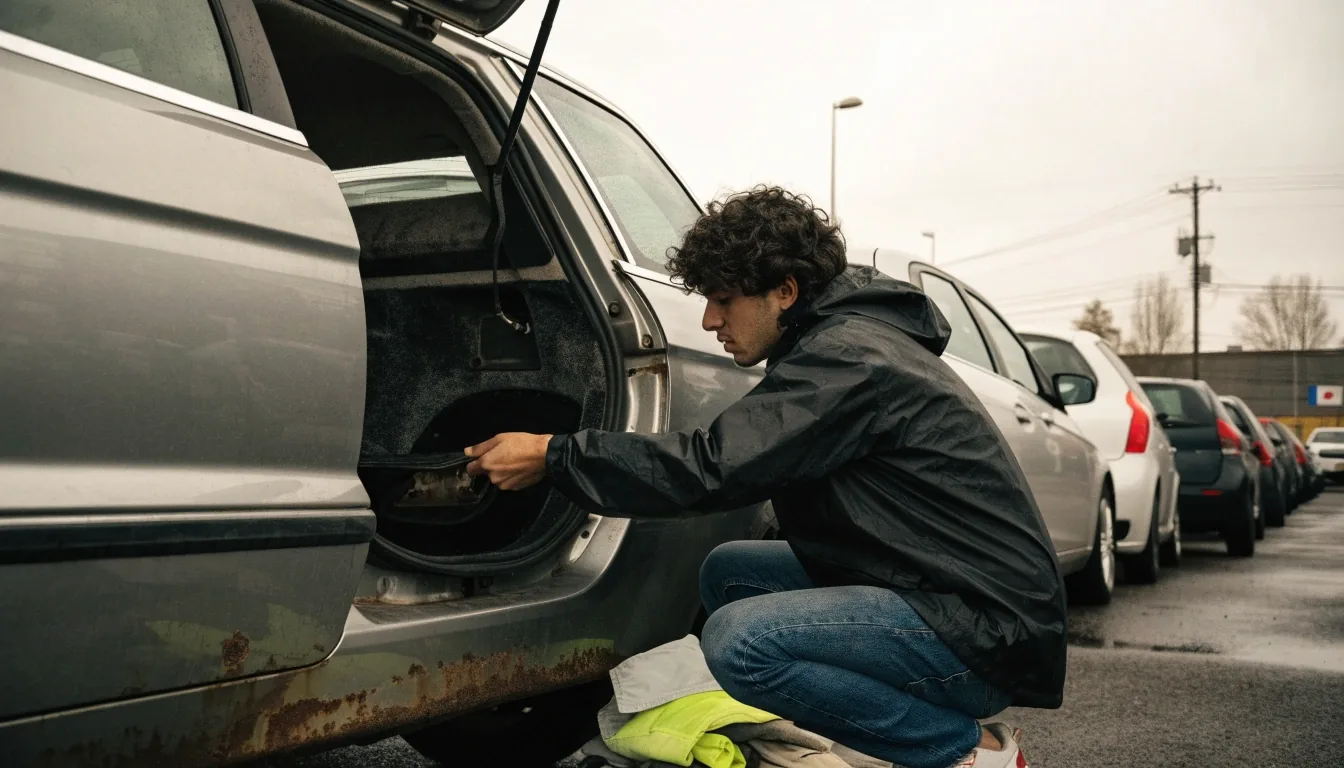
Car tax is assessed as part of bringing the vehicle into Finnish use, and it is not an optional extra you can defer. Budget for it as a real line item rather than a rounding error, because the tax position can change whether a particular import makes sense at all. If you are comparing two cars abroad, put the tax position into the comparison before the purchase, not into a surprise after it.
This is why a cheap car in a neighbouring country is not automatically a cheap car in Finland. Ask what the vehicle is, what it was first taken into use as, and what it will be taxed as — those three answers usually decide the deal.
Registration inspection
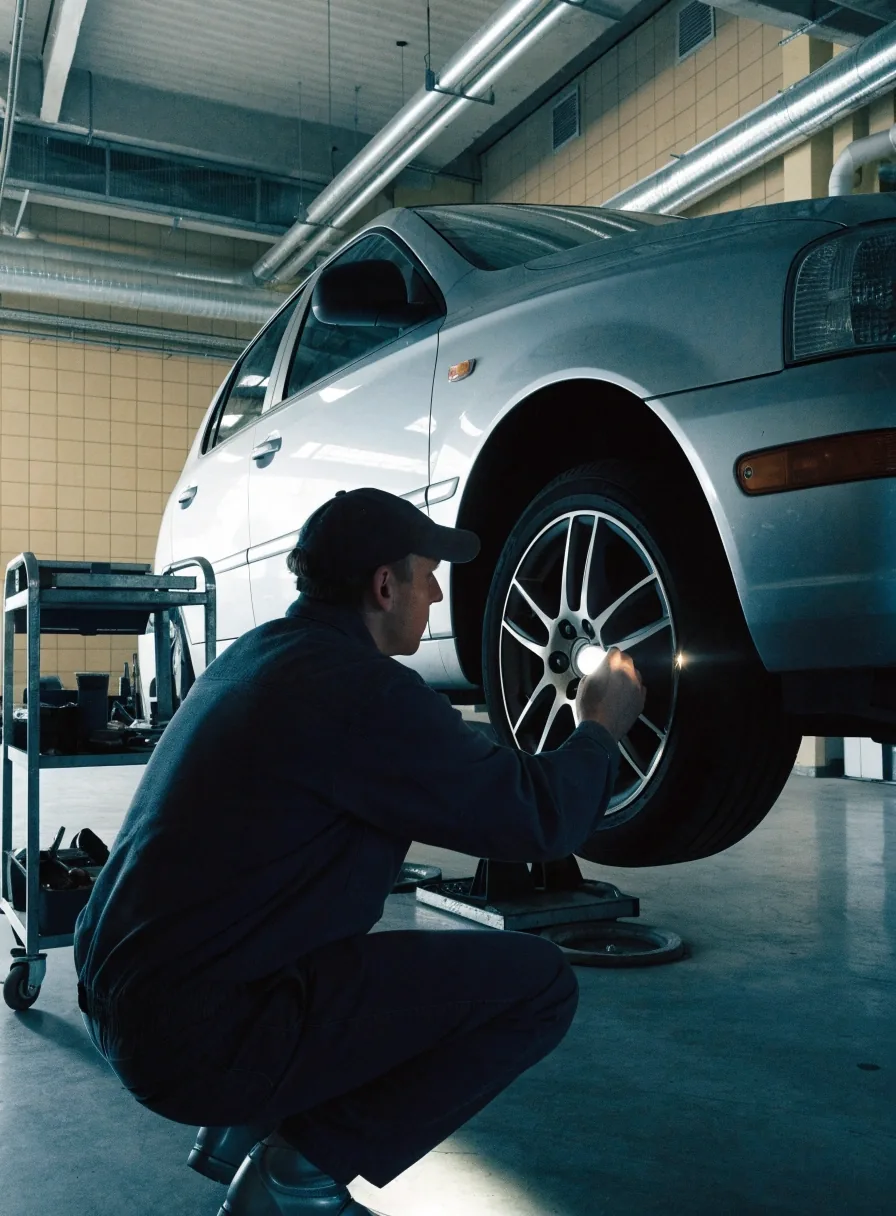
A rekisteröintikatsastus is required for the import to proceed. The inspection checks the vehicle's technical data, structure, equipment and condition, and it establishes what the car actually is before it can be registered in Finland.
A detail that catches importers out: the vehicle generally has to meet Finnish technical requirements as they applied when it was first taken into use, or newer ones. The compliance bar therefore depends on the vehicle's own history, not on the year you happen to be importing it. A 2011 car is judged against the requirements of its era, not against the rulebook in force today.
Prepare the identifying documents and any conformity paperwork before the appointment. If the car was modified after it left the factory, expect questions about when and how, and bring whatever evidence you have about the change.
What the inspection looks at
Technical data, structure, equipment and condition of the imported vehicle.
Which requirements apply
Finnish technical requirements from the vehicle's first date of use, or newer ones.
What you bring
Vehicle identifying documents, conformity paperwork where available, seller information.
Certificate of conformity
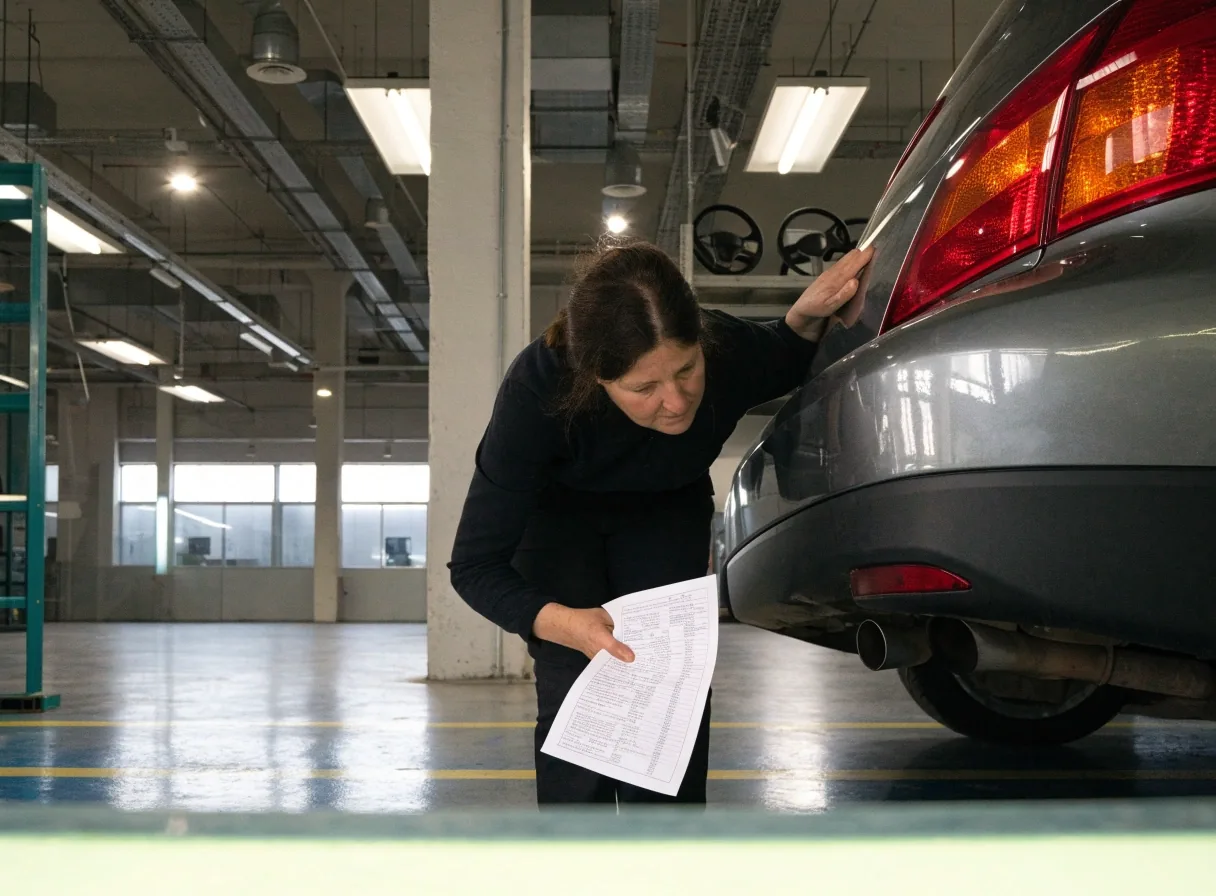
A certificate of conformity is officially recognized as helping the Finnish registration process. It is used in the context of importing a vehicle and reduces friction in technical approval and documentation checks. It is commonly relevant for newer vehicles from other EU or EEA markets.
If your car is newer and you can get the certificate, it is worth having before the inspection rather than after. The paper does not replace the inspection — it simply means the inspection starts from a known technical baseline instead of from guesswork.
Have it
Technical approval and documentation checks move on a confirmed baseline for the vehicle's type.
Do not have it
Expect more questions about specification, and gather every document that describes the car.
Importing from outside the EEA
Vehicles from outside the European Economic Area generally involve more documentation and more uncertainty about technical equivalence. The broad sequence is the same — registration before use, car tax, inspection — but the evidence needed to establish what the vehicle is can be thinner.
If your car falls into this group, gather everything you have about its origin and specification before you start, and expect the technical side to take longer than an EU import. Registration plates, lighting, emissions equipment and odometer units are typical points where a vehicle from another market does not simply drop into Finnish requirements.
When the origin paperwork is thin, describe the vehicle and the step where it stopped and we can explain what the process expects next.
Contact the Helsinki officeWhat to prepare before you start
Collect the vehicle's identifying documents, any conformity paperwork, and the seller's information. Confirm the insurance position, since the digital steps depend on valid liikennevakuutus coverage. Decide in advance how you will handle the period when the car is in Finland but not yet registered and therefore not usable in traffic.
Documents
Identifying papers for the vehicle, conformity paperwork where you have it, details of the seller and the previous registration.
Insurance
Confirm valid coverage before the digital steps — a lapse mid-process is one of the most common stalls.
Storage plan
Where the car sits while it is unregistered and cannot be driven in traffic.
A short written checklist, one page, beats trying to hold four steps in your head during a busy week. Write the order down, note which item is outstanding, and the process stops feeling like guesswork.

When the process stalls
Imports stall for predictable reasons: missing conformity documentation, a vehicle that does not match the technical requirements for its era, unresolved car tax, or insurance that lapses mid-process. Each of these has a fix, but the fix takes time you may not have planned for.
If your import has hit a wall, describe the vehicle and the step where it stopped, and we can explain what the process expects next. Bring the paperwork you do have — even partial documents narrow the question down.
Questions importers ask first
Short answers to the three points that come up most often before anyone starts an import.
Importing a Vehicle to Finland page
What documents do I need to import a car into Finland?
You will need the vehicle's identifying documents, proof of valid insurance for the digital steps, and conformity paperwork where available. A certificate of conformity helps in the technical and documentation checks, particularly for newer vehicles from other EU or EEA markets.
Do I need a registration inspection for a foreign vehicle?
A rekisteröintikatsastus is required as part of the import process. It checks technical data, structure, equipment and condition, and the vehicle generally has to meet Finnish technical requirements from the time it was first taken into use, or newer ones.
Can I drive an imported car before it is registered?
No. Imported vehicles must be registered before they are taken into use in traffic, and car tax must be paid as part of the process. Until then the vehicle stays off the road.
Where to go next
The import sits between two other processes: registering the vehicle once it is in Finland, and handling ownership or decommissioning when the car changes hands. If your vehicle is modified or needs specialist plates, that is a separate conversation again.
Helsinki office
Mannerheimintie 117, 00280 Helsinki, Finland
Monday–Friday: 9:00–18:00
- Read the registration guide How ajoneuvon rekisteröinti works once the car is in Finland, and what the registration certificate covers.
- See special plates and modified vehicles Erikoiskilpi and constructed vehicles, where the technical bar is usually higher.
- Ownership changes and decommissioning Omistajanvaihdos and poistaminen liikennekäytöstä for cars that leave Finnish use.
- Contact the Helsinki office Describe the vehicle and the step where your import stopped.
Details can change with the vehicle, not with the calendar.
What applies to your import depends on its first date of use, its market of origin, and the documents that travel with it. Nothing on this page replaces the assessment made when your specific vehicle is examined — it explains the sequence so you can plan the steps in the right order and know where the time goes.